Cancer is one of the leading causes of illness and death in India, yet it remains widely misunderstood. Many people delay medical consultation due to fear, myths, or lack of awareness. Understanding what cancer is is the first and most important step toward early detection, prevention, and successful treatment.
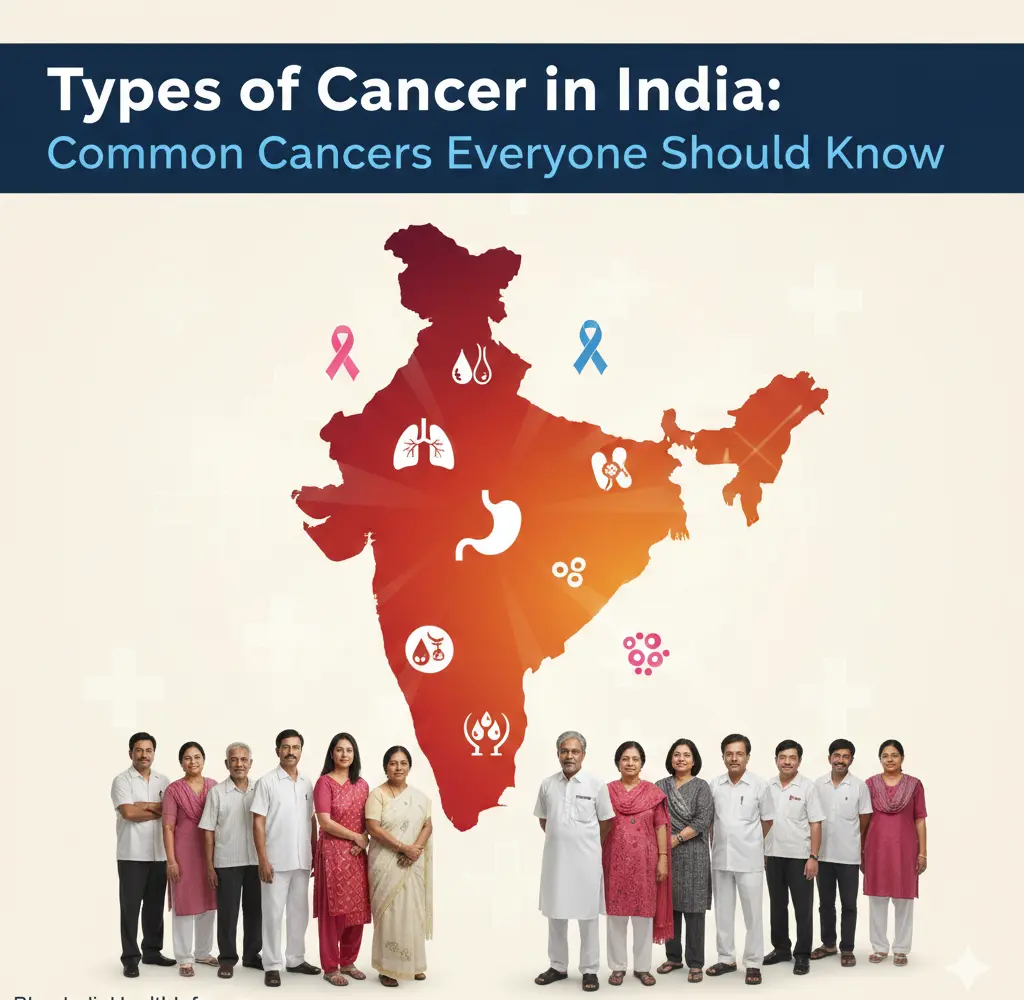
What Is Cancer?
Cancer is a disease in which abnormal cells grow uncontrollably in the body. Normally, human cells grow, divide, and die in an orderly way. When this process breaks down, damaged or abnormal cells continue to multiply instead of dying, leading to cancer.
These abnormal cells can:
- Form a lump or mass called a tumor
- Damage nearby healthy tissues
- Spread to other parts of the body through blood or lymphatic systems
This spread of cancer cells is known as metastasis.
How Does Cancer Develop?
Cancer usually develops over time due to:
- Genetic mutations in cells
- Long-term exposure to cancer-causing substances
- Lifestyle and environmental factors
Common causes of cancer include:
- Tobacco use (smoking and chewing)
- Alcohol consumption
- Unhealthy diet and obesity
- Infections such as HPV and Hepatitis B/C
- Environmental pollution
- Family history of cancer
Is Cancer One Disease?
No. Cancer is not a single disease.
There are more than 100 different types of cancer, classified based on:
- The organ affected (breast, cervix, lung, blood, etc.)
- The type of cell involved
- How fast the cancer grows and spreads
Each type of cancer requires a different diagnosis and treatment approach.
Benign Tumor vs Malignant Cancer
Benign Tumor
- Non-cancerous
- Grows slowly
- Does not spread to other organs
- Usually not life-threatening
Malignant Tumor (Cancer)
- Cancerous growth
- Invades nearby tissues
- Can spread to distant organs
- Requires medical treatment such as surgery, chemotherapy, radiation, or targeted therapy
Common Symptoms of Cancer
Cancer symptoms vary depending on the type and stage, but common early signs of cancer include:
- Unexplained weight loss
- Persistent fatigue
- Lumps or swelling
- Abnormal bleeding
- Non-healing sores
- Long-lasting pain
- Changes in bowel or bladder habits
These symptoms can also have non-cancer causes. A medical evaluation is essential for accurate diagnosis. Early cancer symptoms should never be ignored.
Why Early Detection of Cancer Is Important
When cancer is detected early:
- Treatment is more effective
- Survival rates are significantly higher
- Treatment costs are lower
- Quality of life improves
Many common cancers in India such as breast cancer, cervical cancer, and oral cancer—are highly curable if detected early through regular screening.
Free Cancer Screening Saves Lives
Saidham Cancer Hospital conducts regular free cancer screening camps for breast, cervical, and oral cancers in rural and underserved communities.
Learn more about our free cancer screening camps and early detection initiatives.
Cancer Awareness in India
In rural and semi-urban areas, cancer is often diagnosed at advanced stages due to:
- Lack of cancer awareness
- Fear and stigma
- Limited access to screening facilities
- Financial barriers
This is why cancer awareness and early screening programs play a critical role in saving lives across India.
Role of Saidham Cancer Hospital in Cancer Awareness
At Saidham Cancer Hospital and Dr. Mane Medical Foundation, our mission is to:
- Spread cancer awareness in rural and underserved communities
- Conduct free cancer detection and screening camps
- Promote early diagnosis and preventive healthcare
- Provide affordable and accessible cancer treatment
Support Cancer Awareness & Early Detection
Your support helps us conduct free cancer screening camps, awareness programs, and lifesaving cancer care for those who need it most.
You can also support our cancer care and awareness programs to help us reach more underserved communities.
Awareness is the first step toward prevention. Early detection saves lives.